Source Paper Gift Bag for Gifts, Shopping, and Promotion
Explore 30 options for paper gift bag including customized sizes, shapes like oval and square, and printing methods. Buyers can compare specifications such as paper type, weight limits, and MOQ values from suppliers in China.
Key considerations
Products List




Comprehensive Sourcing Guide
Strategic Sourcing Guide for Paper Gift Bags
Understanding Technical Specifications and Material Variations
When sourcing paper gift bags, the first step is to define the precise technical requirements that align with your product's physical characteristics and brand identity. The market offers a diverse array of configurations, ranging from small, compact designs to larger formats capable of holding substantial weight. Based on observed industry data, buyers must evaluate specific attributes such as shape, size, and paper type to ensure functional suitability.
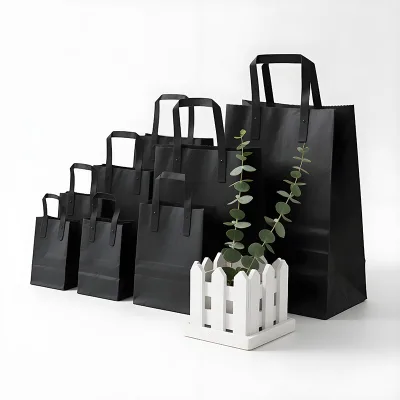
The shape of the bag is a primary differentiator. Options include oval, rectangular, and square profiles, each serving distinct aesthetic and functional purposes. Oval shapes often convey a softer, more elegant aesthetic suitable for boutique gifts, while rectangular and square bags provide maximum volume efficiency for retail or promotional items. Size variations are equally critical, with observed specifications ranging from small dimensions to middle-sized formats. For instance, specific models are documented with dimensions such as 28x11x20cm, though custom sizing is frequently available to meet unique packaging needs.
Material selection directly impacts the bag's durability and perceived value. The supply chain features several paper types, including cardboard, art paper, and coated paper. The choice of material often dictates the bag's weight capacity. Observations indicate that bags constructed from 250g white card paper are common, with weight limits varying significantly between models. Some units are designed for lightweight contents under 0.5 kg, while others are engineered to support loads between 5 and 10 kg. This variance necessitates a careful review of the bottom construction; high-performance models often incorporate a 300g paper card reinforcement at the base to prevent tearing under stress.
Furthermore, the handle type is a crucial specification. Rope handles are a prevalent feature in the market, offering a traditional and sturdy carrying method. However, the integration of these handles must be verified against the bag's overall structural integrity. The surface handling processes also play a vital role in the final appearance. Offset printing is a standard technique used for high-volume orders, allowing for detailed graphics and brand consistency. Additional surface art options, such as matt lamination and hot stamping, can elevate the visual appeal, providing a premium finish that distinguishes the product in a competitive marketplace.
Customization Capabilities and Branding Options
One of the most significant advantages of sourcing paper gift bags is the extensive customization potential available to buyers. The market is characterized by a high degree of flexibility regarding design, branding, and structural modifications. Almost all observed suppliers offer OEM (Original Equipment Manufacturer) and ODM (Original Design Manufacturer) services, allowing businesses to create unique packaging solutions that reflect their specific brand identity.
Customization extends beyond simple color selection. Buyers can request specific logo printing services, ensuring that corporate branding is prominently displayed on the product. The availability of "With Logo Printing" as a standard attribute suggests that the printing process is integrated into the production workflow rather than being an afterthought. This is particularly important for promotional campaigns where brand visibility is the primary objective. The ability to customize the shape, size, and paper type further enhances this flexibility. For example, a buyer seeking a "Cute" style bag for a children's product line can specify an oval shape with vibrant colors, while a luxury brand might opt for a square, coated paper bag with hot stamping details.
The standard for customization is often described as "customized" itself, indicating that the production lines are adaptable to non-standard requests. This includes the ability to alter the paper type from standard cardboard to art paper or coated paper based on the desired texture and finish. Additionally, the packing specifications can be tailored to the buyer's logistics needs. While standard export cartons are common, some suppliers offer specific packing configurations, such as 1 piece per polybag and 100 pieces per carton, to optimize storage and shipping efficiency.
It is essential to note that while customization is widely available, the extent of these modifications may influence the Minimum Order Quantity (MOQ). The observed MOQ range in the market spans from 100 units to 50,000 units, depending on the complexity of the customization and the specific supplier's capacity. Buyers should verify the MOQ requirements for their specific design choices, as highly specialized customizations may require higher volume commitments to justify the setup costs. The acceptance of OEM orders confirms that suppliers are prepared to manufacture goods bearing the buyer's intellectual property, provided the order volume meets the necessary thresholds.
Cost Drivers and Pricing Structures
The pricing of paper gift bags is influenced by a complex interplay of factors, including material costs, customization complexity, order volume, and production location. The observed price range in the market is vast, spanning from $0.01 to $3600 per unit or batch, reflecting the diversity of product types and order scales. This wide variance underscores the importance of defining clear requirements before requesting quotes to avoid budgetary surprises.
Material costs are a primary driver of the final price. Bags made from premium materials such as 250g white card paper or coated paper will generally command a higher price point than those made from standard cardboard. The weight of the bag is also a significant factor; heavier bags capable of supporting 5-10 kg require more material and reinforced construction, such as the 300g paper card bottom, which increases the unit cost. Conversely, lightweight bags under 0.5 kg are typically more affordable due to lower material consumption.
Customization adds another layer of cost complexity. The inclusion of advanced surface treatments like hot stamping or matt lamination requires additional processing steps and specialized equipment, which can increase the per-unit price. Similarly, the complexity of the printing process, such as full-color offset printing versus single-color logo printing, affects the cost. Buyers should be aware that while the base price for a standard bag may be low, the addition of custom branding and finishing can significantly alter the final cost structure.
Order volume plays a critical role in determining the unit price. The Minimum Order Quantity (MOQ) ranges from 100 to 50,000 units, and suppliers typically offer tiered pricing based on these volumes. Higher order quantities often result in a lower per-unit cost due to economies of scale in material purchasing and production efficiency. However, buyers must balance the desire for lower unit costs against the need for inventory management and cash flow. The origin of the product, specifically Guangzhou, Guangdong, China, is a major manufacturing hub known for competitive pricing, but logistics and shipping costs should also be factored into the total landed cost.
Typical Applications and Usage Scenarios
Paper gift bags serve a multitude of purposes across various industries, making them a versatile component of the global packaging supply chain. The observed usage categories highlight the adaptability of these products to different market segments. Common applications include gifts, promotional events, and general packing needs. The "Gifts" category is particularly prominent, with specific models designed for occasions such as Christmas, where themed designs like "Christmas Candy Bags" are in high demand.
Beyond general gifting, these bags are utilized for a wide range of product categories. The market data indicates usage in sectors such as electronic products, food, greeting cards, health care products, garments, shoes, jewelry, arts and crafts, and cosmetics. This diversity suggests that the design and material specifications must be carefully matched to the contents. For example, food items may require bags with specific coatings or liners to ensure hygiene and freshness, while electronic products might need sturdy bags with reinforced bottoms to protect delicate items during transit.
Promotional activities also represent a significant application area. Brands often use custom-printed paper bags as a marketing tool, distributing them at trade shows, retail events, or as part of a loyalty program. The "Shopping" and "Packing" usage categories further emphasize the role of these bags in retail environments, where they serve as both a functional carrier and a brand ambassador. The "Cute" style and "Oval" shapes are particularly effective for targeting specific demographics, such as children or those seeking a boutique shopping experience.
The versatility of paper gift bags allows them to be used in both B2B and B2C contexts. In B2B scenarios, they may be used for packaging bulk shipments or as part of a larger supply chain solution. In B2C contexts, they are often the final touchpoint for the customer, influencing the unboxing experience and brand perception. The ability to customize the bag for specific usage scenarios, such as incorporating a "Rope Handle" for heavy items or a "Matt Lamination" finish for luxury goods, ensures that the packaging meets the functional and aesthetic requirements of the end-user.
Supplier Evaluation and Quality Assurance
Selecting the right supplier is a critical step in the procurement process, requiring a thorough evaluation of their capabilities, quality control measures, and compliance standards. The observed market data highlights several key factors that buyers should consider when assessing potential partners. One of the primary indicators of supplier reliability is their adherence to quality standards. While specific certification statuses like FSC are mentioned in background contexts, buyers should verify the actual certification status of the supplier rather than assuming compliance based on general market knowledge.
Quality control is a fundamental aspect of the production process. Some suppliers explicitly state that they adhere to "inner quality control" standards, which suggests a systematic approach to ensuring product consistency. Buyers should inquire about the specific quality control protocols in place, including inspection frequencies, defect rates, and corrective action procedures. The "Best" quality attribute observed in some listings indicates a high standard of craftsmanship, but this should be validated through sample requests and third-party testing if necessary.
Supplier location is another important consideration. The majority of the observed products originate from China, specifically Guangzhou, Guangdong, which is a major manufacturing hub. This concentration of suppliers offers access to a wide range of capabilities and competitive pricing. However, buyers should also consider the logistical implications of sourcing from this region, including lead times and shipping costs. The ability to handle "OEM Order" and "OEM&ODM" services indicates that the supplier is equipped to manage complex manufacturing requirements and intellectual property concerns.
When evaluating suppliers, buyers should also look for transparency in their production processes. The availability of detailed specifications, such as paper type, weight limits, and surface handling methods, demonstrates a commitment to clarity and professionalism. Additionally, the supplier's ability to provide samples and reference materials can help buyers assess the quality of the final product before committing to a large order. It is crucial to verify that the supplier can meet the specific MOQ requirements and lead times associated with the project, as these factors can significantly impact the overall procurement timeline.
Long-Term Procurement Considerations and Sustainability
Sourcing paper gift bags is not merely a transactional activity but a strategic decision that can impact long-term business operations and brand reputation. As sustainability becomes a growing priority for consumers and regulators, buyers must consider the environmental implications of their packaging choices. While the market offers a variety of paper types, including eco-friendly options, the specific environmental claims should be verified against current standards and certifications.
Long-term procurement strategies should focus on building strong, collaborative relationships with suppliers who demonstrate a commitment to quality and innovation. This involves regular communication, joint planning, and a shared understanding of market trends. Suppliers who offer flexible customization options and can adapt to changing design requirements are valuable partners in a dynamic market. Additionally, buyers should consider the scalability of their supply chain, ensuring that the supplier can handle increased order volumes as the business grows.
Sustainability is a key area for future development. The use of recycled materials, biodegradable coatings, and energy-efficient production processes can enhance the environmental profile of the product. While the observed data mentions "Eco-Friendly Paper Bags" as a specific model, buyers should verify the specific eco-credentials of these products, such as the source of the paper and the nature of the inks and adhesives used. Compliance with international standards and regulations is essential, and buyers should ensure that their suppliers are up-to-date with the latest environmental requirements.
Finally, the long-term success of a procurement strategy depends on the ability to manage costs effectively while maintaining high quality. This involves a continuous review of the supply chain, identifying opportunities for cost reduction without compromising on product integrity. By focusing on technical specifications, customization capabilities, and supplier reliability, buyers can build a robust sourcing strategy that supports their business goals and meets the evolving needs of their customers. The paper gift bag, with its versatility and customization potential, remains a critical element in the packaging landscape, offering significant value to businesses across various industries.
FAQs
Can I customize paper gift bags with my logo?
Yes, customization with logo printing is available for most paper gift bags. Suppliers typically offer OEM services allowing you to specify shapes like oval or square, paper types such as cardboard or art paper, and surface finishes including matt lamination or hot stamping to match your brand identity.
What is the minimum order quantity for paper gift bags?
The minimum order quantity varies significantly depending on the supplier and customization level. Observed MOQs range from 100 units for standard items up to 50,000 units for highly specialized orders, so you must verify the specific threshold required for your chosen design and material specifications.
Which paper types are used for paper gift bags?
Common paper types include cardboard, art paper, and coated paper. Specific models may use 250g white card paper for durability, while others utilize lighter materials for weight limits under 0.5 kg or reinforced bottoms with 300g paper card to support loads up to 10 kg.
How much weight can paper gift bags hold?
Weight capacity depends on the material and construction of the bag. Some lightweight models support contents under 0.5 kg, while heavier duty bags engineered with reinforced bottoms can handle loads between 5 and 10 kg, making them suitable for electronics or bulk gift items.
What printing methods are used for paper gift bags?
Offset printing is a standard technique used for high-volume orders to ensure detailed graphics. Additional surface art options like full color printing, matt lamination, and hot stamping are available to enhance visual appeal, with customization often including specific logo placement and color schemes.
Where are paper gift bags typically manufactured?
Most paper gift bags are manufactured in China, with a significant concentration of suppliers located in Guangzhou, Guangdong. This region is a major hub offering competitive pricing and diverse production capabilities for various bag styles, sizes, and customization requirements.
What are the common shapes for paper gift bags?
Paper gift bags are available in various shapes including oval, rectangular, and square profiles. Oval shapes often convey an elegant aesthetic for boutique gifts, while rectangular and square bags provide maximum volume efficiency for retail, promotional items, or general packing needs.